The maritime world witnessed a seismic shift in early 2024 with the debut of Royal Caribbean’s Icon of the Seas. As of 2026, it remains the reigning champion of the ocean, a colossal achievement in engineering that has effectively redefined what a vacation can be. Moving beyond the traditional “cruise ship” label, the Icon of the Seas is a multi-generational floating metropolis that balances high-octane thrills with sophisticated luxury.
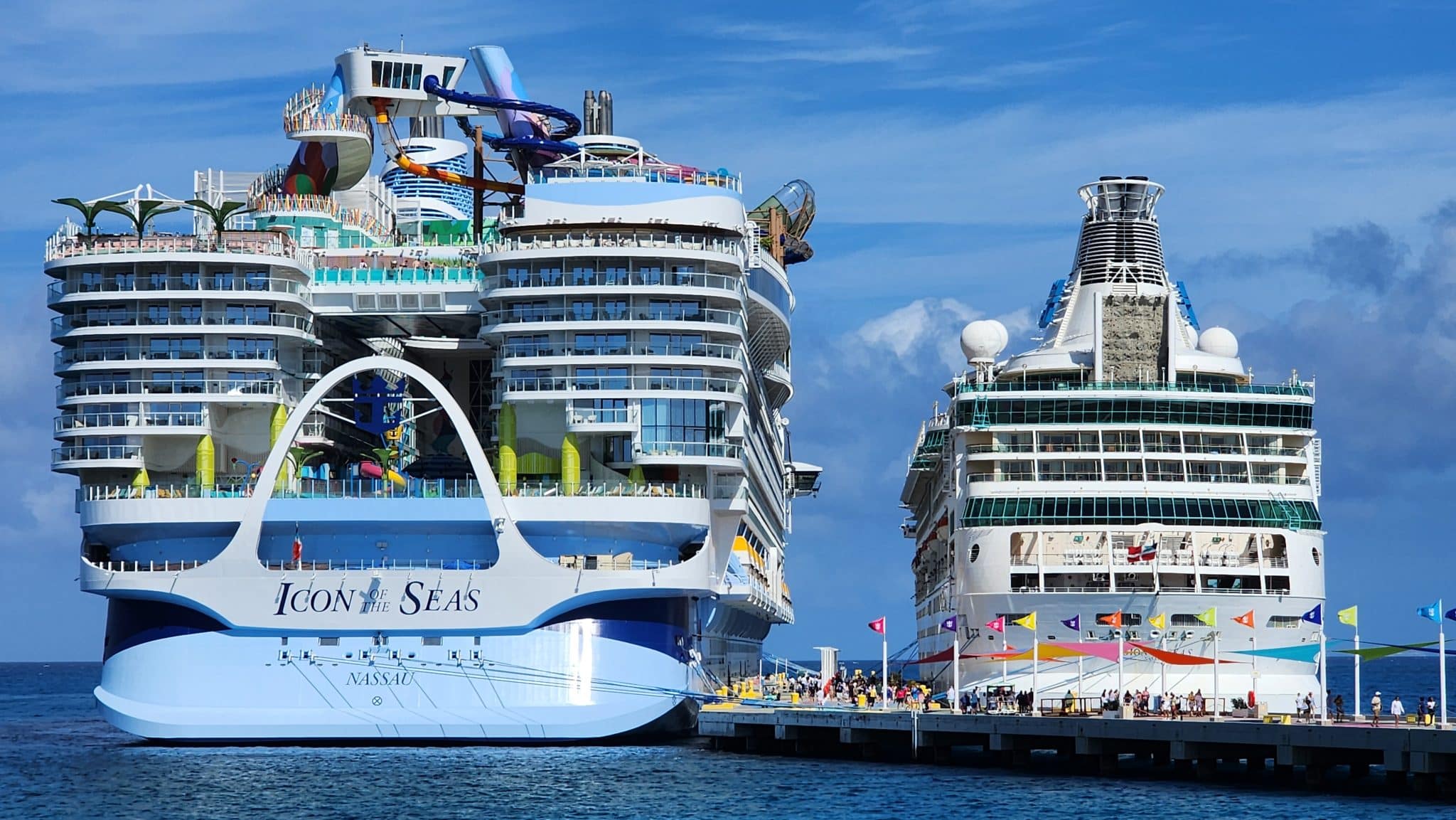
At 248,663 gross tons and stretching nearly 1,200 feet, this vessel is not just the largest cruise ship ever built; it is a meticulously designed ecosystem. In this guide, we explore the revolutionary features, the neighborhood-centric design, and the sustainable technology that makes this ship a true icon of modern travel.
A Neighborhood Approach to the Ocean
The sheer scale of a ship designed to hold up to 7,600 passengers could easily feel overwhelming. To combat this, Royal Caribbean utilized a “neighborhood” concept, dividing the ship into eight distinct areas, each with its own personality and purpose.
One of the most talked-about additions is Surfside, the first neighborhood ever designed specifically for “young families.” Situated at the aft of the ship, it allows parents to relax at the Water’s Edge pool while kids play nearby at Splashaway Bay. By creating dedicated spaces for different demographics, the ship ensures that the energy of a waterpark never disrupts the tranquility of the adult-only retreats.
At the front of the ship lies the AquaDome, a feat of structural engineering. By day, it is a quiet oasis with floor-to-ceiling panoramic views; by night, it transforms into a high-tech theater featuring a 55-foot-tall waterfall, robotic arms, and world-class divers. This multi-use philosophy is what allows the Icon of the Seas to offer more variety than many land-based cities.
Record-Breaking Thrills and Chill
For those seeking an adrenaline rush, Thrill Island is the ship’s centerpiece. It houses Category 6, the largest waterpark at sea, featuring six record-breaking slides. From the “Frightening Bolt”—the tallest drop slide at sea—to the “Pressure Drop,” the industry’s first open-freefall slide, the ship brings a land-based theme park experience to the middle of the ocean.
Conversely, for those who prefer relaxation, Chill Island spans three decks and offers four of the ship’s seven pools. This includes the Royal Bay Pool, the largest pool ever built on a ship, and Swim & Tonic, the line’s first swim-up bar at sea. This duality is the secret to the ship’s success: it provides the most intense thrills in the industry while simultaneously offering more square footage for quiet relaxation than its predecessors.
Culinary Innovation and Immersion
Dining on the Icon of the Seas has moved far beyond the traditional buffet. With over 20 ways to eat and 15 bars and lounges, the culinary landscape is vast. The ship introduces the Empire Supper Club, an ultra-premium experience that pairs an eight-course menu with live jazz and a sophisticated New York City vibe.
For a more casual yet equally innovative experience, the AquaDome Market serves as Royal Caribbean’s first food hall, offering everything from savory crepes to Mediterranean bowls. The focus on “immersive dining” continues with venues like the Celebration Table, where groups can enjoy a semi-private experience with customizable menus. Whether you are looking for a quick street taco or a multi-hour gastronomic journey, the ship caters to the “foodie” traveler with a level of variety previously unseen in the cruise industry.
Pioneering a Greener Future
Beyond the slides and the restaurants, the Icon of the Seas represents a significant step forward in maritime sustainability. It is Royal Caribbean’s first ship powered by Liquefied Natural Gas (LNG). While no large-scale vessel is without an environmental footprint, LNG is the cleanest-burning marine fuel available today, significantly reducing sulfur and nitrogen oxide emissions.
The ship also features advanced waste-to-energy systems, converting onboard waste into thermal energy to power various systems. Additionally, its high-tech hull design and “air lubrication system” create millions of tiny bubbles under the hull to reduce friction, allowing the ship to glide through the water with significantly less fuel consumption. In 2026, these features are no longer just “extras”—they are essential components of a modern fleet.
Conclusion
Royal Caribbean’s Icon of the Seas is a masterclass in modern vacation design. It successfully manages to be “everything to everyone” by utilizing a neighborhood layout that prevents the crowds from feeling congested. It pushes the boundaries of entertainment with the AquaDome and Thrill Island, yet remains committed to the future through its use of LNG technology.
For the traveler who wants the ultimate “bucket list” experience, this ship is the current gold standard. It proves that even at a massive scale, travel can still feel personal, thoughtful, and incredibly exciting. As the lead ship of its class, the Icon of the Seas hasn’t just broken records; it has fundamentally changed our expectations of what happens when we leave the shore.