Japan, the Land of the Rising Sun, is a destination unlike any other. It is a harmonious paradox where ancient traditions of Shinto shrines and centuries-old wooden temples coexist with the dazzling, hyper-modern pulse of cities like Tokyo and Osaka. For a first-time traveler, the sheer cultural difference, coupled with world-class efficiency, can feel overwhelming.
This guide provides the essential roadmap, stripping away the complexity to give you the confidence to navigate the bullet trains, master the etiquette, and immerse yourself in the deep beauty of Japan.
Part 1: Planning the Perfect Timing and Route
Choosing when to go and where to start is the most critical step in planning your Japanese adventure.
The Best Time to Visit
Japan experiences four distinct and beautiful seasons, each offering a unique travel experience.
- Spring (Late March to May): This is the High Season and arguably the most popular time to visit, dominated by the exquisite Sakura (cherry blossom) bloom. The weather is mild and pleasant. Be warned: Prices for accommodation and flights surge, and key attractions are incredibly crowded.
- Autumn (September to November): Known as the Shoulder Season, this is often considered the best time for general sightseeing. The weather is cool and dry, and the vibrant Koyo (autumn leaves) across the country are spectacular. Crowds are manageable compared to spring.
- Winter (December to February): The Low Season offers clear skies and less crowded cities. It is ideal for enjoying onsen (hot springs) and the world-famous powder snow in the northern regions like Hokkaido. Prices are generally lower.
- Summer (June to August): Characterized by high heat and humidity, especially during the June rainy season. This period is best avoided unless you are dedicated to climbing Mount Fuji (only permitted in July and August) or attending summer festivals (matsuri).
The Essential ‘Golden Route’ Itinerary (10-14 Days)
For a first-timer, focus on the “Golden Route” which connects the country’s most iconic and contrasting destinations via the high-speed Shinkansen (bullet train).
- Tokyo (4-5 Days): The electric, sprawling capital. Explore the vibrant nightlife of Shinjuku, the fashion-forward streets of Harajuku, the historic Sensō-ji Temple in Asakusa, and the famous Shibuya Crossing.
- Hakone/Mount Fuji (1-2 Days): A scenic detour into the Fuji-Hakone-Izu National Park for stunning views of Mount Fuji, a cruise on Lake Ashi, and a night in a traditional Ryokan (inn) with an onsen.
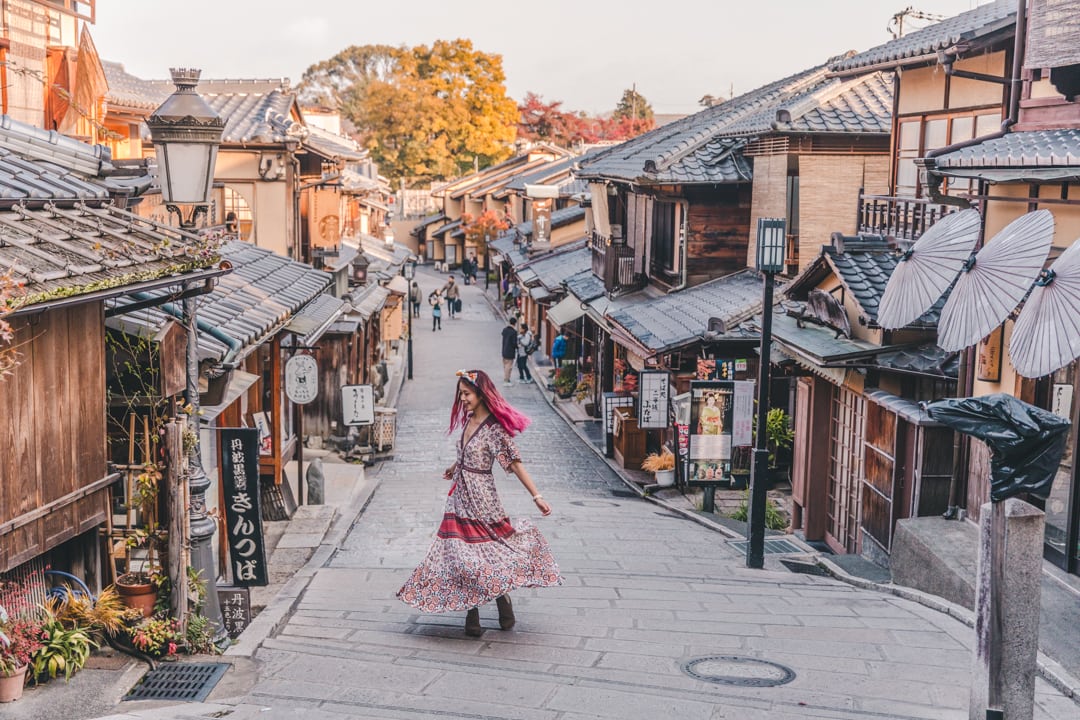
- Kyoto (3-4 Days): Japan’s cultural heart. Immerse yourself in tradition by visiting Gion (Geisha district), the serene bamboo forest of Arashiyama, and thousands of red torii gates at Fushimi Inari Shrine.
- Osaka (2 Days): A city famous for its cuisine and friendly locals. Use it as a base to explore Dotonbori for street food and visit Osaka Castle.
Part 2: Mastering Transportation and Logistics
Japan’s public transport system is a miracle of punctuality and efficiency, but it requires some initial understanding.
The Japan Rail Pass Dilemma
The Japan Rail Pass (JR Pass), available only to foreign tourists, offers unlimited travel on most JR trains, including the Shinkansen, for 7, 14, or 21 consecutive days.
- Is it worth it? For the standard 10-14 day Golden Route itinerary (Tokyo to Kyoto/Osaka and back), the cost of individual Shinkansen tickets will generally exceed the price of the 7-day or 14-day JR Pass. It is almost always a money-saver if you plan on covering significant long-distance travel.
- Pre-Purchase is Key: The JR Pass must be purchased before arriving in Japan. You will receive an Exchange Order that you must validate and exchange for the actual pass at a major JR station office upon arrival.
Essential Local Transport Tools
- IC Cards (Suica or Pasmo): These rechargeable cards are your best friend for local travel. They function like tap-and-go debit cards for virtually all local trains, subways, buses in major cities, and can even be used at convenience stores and vending machines. They simplify daily commutes immensely.
- Navigating Cities: Use Google Maps religiously. It is highly accurate in Japan, providing platform numbers, exact departure times, and cost estimates for every journey.
Part 3: Cultural Etiquette: The Do’s and Don’ts
Japanese culture is built on respect and harmony. Following basic etiquette will not only show respect to your hosts but will enhance your entire trip.
Public Manners and Quiet Zones
- The Quiet Train Rule: It is considered extremely impolite to speak loudly on public transport, especially on trains and buses. Talking on a mobile phone is a major faux pas; calls should be avoided entirely.
- Walking and Eating: Avoid eating or drinking while walking on the street. If you purchase food from a street vendor, it is courteous to step aside and finish it before continuing your walk.
- Tipping is Not Customary: Tipping is not a part of Japanese culture. Attempting to tip in a restaurant or taxi may confuse or even offend the staff, who may chase you down to return your money.
Shoes and Chopsticks
- Shoe Removal: Always remove your shoes when entering a private home, some traditional restaurants, temples, shrines, and traditional inns (ryokan). Look for a small step up or a neat row of shoes—that’s your cue. You will often be provided with slippers.
- Chopstick Etiquette: Never stick your chopsticks vertically into a bowl of rice; this is strictly associated with funeral rites. Also, do not pass food from your chopsticks to another person’s chopsticks. Use the serving spoons or the blunt end of your chopsticks for communal dishes.
Conclusion: Embracing the Journey
Japan is a country that rewards preparation and curiosity. While the thought of navigating a new culture and a complex rail network might seem daunting, the reality is that the country’s meticulous organization is designed to make the traveler’s experience as smooth as possible.
Arm yourself with your JR Pass, an IC card, a polite smile, and the simple knowledge of basic etiquette, and you will find the “Road to Japan” is a smooth, enchanting path filled with unforgettable moments—from the silent contemplation of a Zen garden in Kyoto to the electric chaos beneath a neon sign in Tokyo. Japan awaits; embrace the blend of the past and the future.