For decades, the luxury travel sector measured exclusivity by traditional benchmarks: five-star hotels, white-glove butler service, and private yacht charters. While these amenities remain pleasant, the core definition of an exclusive vacation has undergone a profound structural shift. Today’s discerning traveler no longer seeks cookie-cutter luxury. Instead, the ultimate luxury is defined by privacy, hyper-personalization, rare access, and meaningful connections to untouched destinations.
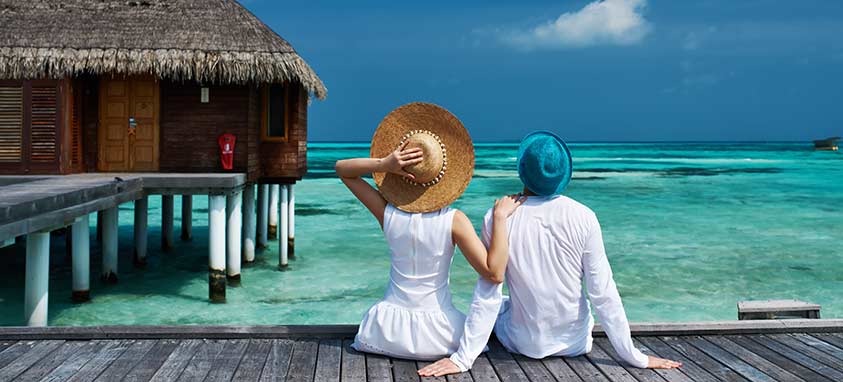
Understanding how exclusive travel has evolved allows modern explorers to curate journeys that offer far more than aesthetic relaxation; it allows for transformative personal experiences.
Beyond the Standard Five-Star Experience
Standard luxury hospitality has become widely accessible, leading to a saturation of conventional luxury retreats. When luxury becomes standardized, true exclusivity moves elsewhere.
Modern high-end travelers are shifting their focus from material extravagance toward experiential rarity. An exclusive vacation is no longer about staying in a lavish penthouse suite located in a crowded resort city; it is about securing a private island in the Seychelles, booking a remote lodge accessible only by helicopter in the Swedish Lapland, or securing private access to historical landmarks outside public hours.
This evolution prioritizes several core elements:
- Uncompromising Privacy: Complete freedom from crowds, public gaze, and unexpected interruptions.
- Bespoke Access: Entry into restricted natural reserves, private art collections, or closed-door cultural events.
- Tailored Timelines: Schedules designed entirely around individual biological rhythms and personal interests rather than rigid hotel agendas.
Key Pillars of a Truly Exclusive Vacation
To stand out in the crowded landscape of travel planning, high-end itineraries rely on three primary operational pillars that guarantee uniqueness and depth.
1. Spatial Isolation and Sanctuary Architecture
Privately owned villas, secluded estates, and eco-conscious private sanctuaries have taken precedence over traditional luxury hotels. Travelers prioritize properties designed with low environmental footprints and maximum physical separation from urban centers.
Sanctuary architecture blends high-end comfort with native natural landscapes. Whether it is a cliffside retreat overlooking the fjords of Norway or a private tented safari camp in the Serengeti, the physical environment itself serves as the luxury element, offering quietude that urban environments cannot replicate.
2. Hyper-Personalized Wellness and Longevity Integration
The concept of a relaxing getaway has expanded to encompass long-term physical and mental rejuvenation. Exclusive retreats now partner with medical specialists, biohacking experts, and holistic practitioners to deliver customized wellness programming.
Rather than offering generic spa menus, modern exclusive vacations feature comprehensive health assessments, tailored nutrition protocols, daily mindfulness practices led by renowned masters, and recovery therapies designed specifically for the individual traveler.
3. Cultural Authenticity and Private Expeditions
Exclusivity today means authentic immersion without the transactional feeling of mass tourism. High-net-worth travelers seek rare opportunities to engage with local cultures, conservation efforts, and scientific research.
Private expeditions often include traveling alongside marine biologists during coral restoration projects, participating in private archaeological excavations, or engaging in confidential dining experiences hosted by world-class chefs utilizing hyper-local ingredients.
How to Curate a Distinct Exclusive Journey
Crafting an exclusive travel plan requires moving away from popular travel blogs and standard booking engines. Achieving true distinction involves a strategic approach to trip design.
Partner with Specialized Travel Curators
Standard travel agents focus on bookings and logistically straightforward tours. Exclusive travel curators, however, operate through extensive networks of private contacts, land owners, and regional experts. They secure access to unlisted properties, negotiate private air space permissions, and arrange bespoke transportation that standard agencies cannot access.
Prioritize Off-Peak Rhythms and Undiscovered Horizons
True exclusivity thrives where tourist density is lowest. Rather than visiting Mediterranean hotspots during peak summer months, high-end travelers opt for off-season voyages or explore less-frequented regions such as Bhutan, the interior of Greenland, or private reserves in Botswana.
By aligning travel schedules with off-peak timing or choosing overlooked destinations, travelers experience unhurried exploration and authentic hospitality.
The Future of High-End Travel: Sustainability and Impact
As high-end travel continues to evolve, the future of exclusive vacations is intrinsically tied to environmental stewardship and local community empowerment. Modern luxury travel is moving away from passive consumption toward active conservation.
Exclusive properties now lead the industry in renewable energy adoption, zero-waste operations, and wildlife protection initiatives. Travelers increasingly choose destinations where their presence directly contributes to habitat preservation and local heritage conservation, ensuring that the world’s most pristine environments remain protected for generations to come.
Conclusion
An exclusive vacation is no longer merely a status symbol or an exercise in indulgence; it is a curated sanctuary for time, privacy, and profound personal discovery. By prioritizing spatial isolation, authentic cultural immersion, bespoke wellness, and environmental stewardship, high-end travel transforms from a simple escape into a meaningful life experience.
When planned with intention and precision, an exclusive journey yields memories that remain far more valuable than standard material luxury.